
Hey there, if you’re dipping your toes into the print-on-demand (POD) world or looking to switch providers, you’ve probably heard of Printful. As someone who’s been tinkering with POD side hustles for a couple of years now – selling everything from quirky t-shirts to custom mugs – I’ve used Printful extensively. I’m an affiliate, so full disclosure: they’ve hooked me up with some promo images (which I’ll suggest placing throughout this post for visuals), but this review is my honest take based on real experience, recent user feedback from places like Reddit and Trustpilot, and the latest updates as of mid-2025. It’s mostly positive because, let’s face it, Printful gets a lot right, but I’ll throw in some real shortcomings too – no sugarcoating here.
In this review, we’ll cover what Printful is, its standout features, pricing, products, shipping, and more. By the end, you’ll know if it’s the right fit for your merch business. Let’s jump in.
What Exactly Is Printful?
Printful is your behind-the-scenes partner for turning creative ideas into physical products without the hassle of inventory or shipping. Founded back in 2013, it’s grown into a powerhouse in the POD space, fulfilling over a million items monthly and boasting a 99.76% customer satisfaction rate based on low reshipment numbers from 2024 data (that’s carried into 2025, per their site). Whether you’re a solo designer gifting personalized hoodies or building an online store full of branded apparel, Printful handles the printing, packing, and delivery once an order comes in.
How it works is straightforward: You upload your designs (like those edgy vector graphics from Vextors.com – shameless plug for pairing them with POD), pick from their catalog, and integrate with your e-commerce setup. When a customer buys, Printful gets the alert, prints on demand, and ships directly. No upfront stock means low risk, which is why it’s popular for beginners and scaling brands alike. They’ve got fulfillment centers worldwide, owned in-house, which helps with efficiency – more on that later.
Key Features That Make Printful Stand Out
Printful packs a punch with tools that streamline your POD operation. Here’s a rundown of the highlights, based on what I’ve used and what’s fresh in 2025:
- Design Maker Tool: This is a gem – it’s got built-in editing features, over 20,000 free visuals, and unlimited access to premium images (for a fee on the free plan, but discounted on Growth). You can tweak designs in minutes, preview on mockups, and even add text or clipart. I’ve whipped up meme-inspired stickers here that sold like hotcakes.
- White-Label Branding: Want your brand to shine? Add custom labels, packing slips, or inserts. It’s not free (starts around $2-3 per order), but it makes your packages look pro, not like they came from a generic printer.
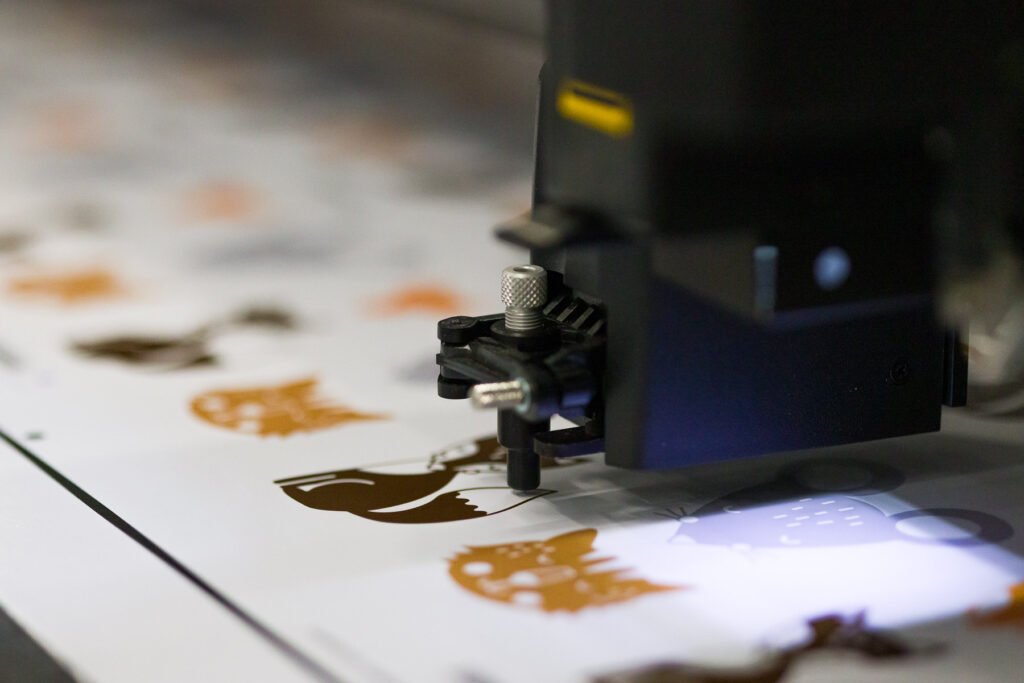
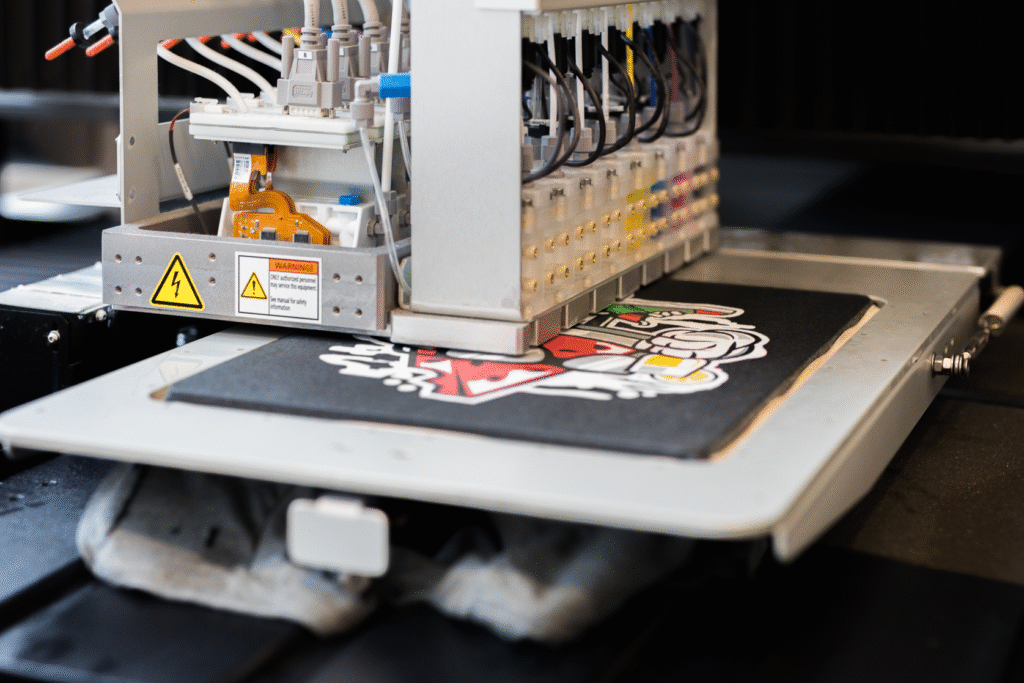
- Quality Checks and Eco Options: Every order goes through manual quality control, which cuts down on returns. They use methods like direct-to-garment (DTG) printing for vibrant colors, embroidery for premium feels, and cut-and-sew for all-over prints. Plus, they’re pushing eco-friendly inks and sustainable products, like organic cotton tees – a win for environmentally conscious sellers.
- Sample Orders: Get up to 20% off samples on the free plan (25% on Growth) to test quality. Trust me, ordering a sample saved me from a blurry print disaster once.
- Around-the-Clock Support: 24/7 chat and email, plus a solid help center with videos. They’ve expanded to more languages in 2025, which is handy for global users.
Other perks include automatic order fulfillment, no monthly fees on the base plan, and tools for creating everything from design to dispatch in one spot.
Printful’s Product Catalog: Variety with Quality Focus
As of 2025, Printful’s catalog has ballooned to over 434 items – up from previous years – covering apparel, accessories, home goods, and more. Think t-shirts, hoodies, phone cases, mugs, posters, flags, and even niche stuff like puzzles or yoga mats. They’ve added more embroidered options and all-over print leggings recently, which is great for fashion-forward POD shops.
The quality is a major pro: Base products feel premium, with brands like Bella+Canvas for tees that hold up well after multiple washes. Prints are sharp, colors pop, and embroidery doesn’t fray easily. I’ve sold hundreds of custom hoodies without complaints. That said, the catalog isn’t the biggest out there – competitors like Printify offer 800+ items – so if you want super obscure merch like custom puzzles in bulk varieties, you might feel limited.
Pricing and Plans: Flexible but Not the Cheapest
Printful keeps it simple with two main plans, and honestly, the free one is robust enough for most starters. No upfront investments or hidden fees – you pay per order for the product, printing, and shipping.
- Printful Free: Zero subscription. Access all 434 products, 24 integrations (like Shopify, Etsy, WooCommerce), automatic fulfillment, 20% off samples, and basic branding. It’s perfect for testing the waters. Base prices? A standard t-shirt might run $12-15 before shipping ($4-8 domestically).
- Printful Growth: Hit $12K in sales over 12 months (or pay $24.99/month) for up to 33% off products, 9% off branding, 25% off samples, free embroidery digitization (usually $6.50), unlimited stores, and exclusive deals. There’s a 14-day free trial. If you sell a few dozen items monthly, it pays for itself – I’ve seen margins jump 10-15% after upgrading.
Compared to rivals, Printful’s base prices are a tad higher (e.g., a tee might cost $2-3 more than Printify), which eats into profits if you’re not on Growth. But the quality justifies it for premium brands. Shipping adds up too – international can hit $10+, though 81% of orders ship regionally for faster, cheaper delivery.
Integrations: Seamless Connections for Your Store
One of Printful’s strengths is its 22+ integrations, making it easy to plug into popular platforms. Shopify? Flawless sync. Etsy, Amazon, Wix, Squarespace, WooCommerce – all covered. You can even use their “Quick Stores” for up to 10 basic sites without coding.
I’ve integrated with Shopify multiple times; orders flow automatically, and inventory updates in real-time. For 2025, they’ve beefed up API options for custom setups. Drawback? If you’re on a niche platform not supported, you’ll need workarounds.
Shipping and Fulfillment: Global Reach with Some Hiccups
With in-house centers in the US, Europe, Asia, and beyond, Printful delivers to over 200 countries. Most orders (81%) fulfill regionally, cutting CO2 emissions and speeding things up – domestic US shipping often takes 3-5 days post-production (2-5 days fulfillment time).
Eco angle: They’re all about sustainable practices, like local printing to reduce transport emissions. White-label means no Printful branding on packages.
But here’s a con: Shipping times can drag during peaks (holidays or sales spikes), with some Reddit users in 2025 reporting 2-week delays. International customs add unpredictability, and costs aren’t the lowest – expect $5-15 per item. Quality control is strong (0.24% reship rate), but occasional off-center prints or thin fabrics pop up in reviews.
Pros and Cons of Printful in 2025
Let’s break it down balanced-like. From my experience and scouring 2025 reviews on Reddit, Trustpilot (4.6/5 from thousands), and sites like Forbes:
Pros:
- High-quality prints and products that last – users rave about DTG vibrancy and embroidery durability.
- No inventory or upfront costs; low-risk entry into POD.
- User-friendly tools and integrations save time.
- Strong branding options for building a pro brand.
- Eco-friendly focus and global shipping.
- Growth plan perks scale with your business.
Cons:
- Higher base prices than competitors like Printify or Gelato, squeezing margins for low-volume sellers.
- Smaller catalog (434 items) limits variety – no super-niche stuff like custom trading cards.
- Occasional delays in shipping or support during busy times; some 2025 Reddit threads mention slow responses.
- Reliance on in-house providers means less flexibility if one center has issues.
- Profit per sale can be slim without volume (e.g., $5-10 on a $25 tee after costs).
Overall, the pros outweigh the cons for quality-focused sellers, but budget hustlers might look elsewhere.
Who Should Use Printful?
Printful shines for beginners wanting ease and pros building premium brands. If you’re a graphic designer, influencer, or e-commerce store owner selling apparel and accessories, it’s a fit. Avoid if you need rock-bottom prices or massive variety.
FAQ: Printful.com Frequently Asked Questions
Is Printful free to use?
Yes, the base plan is free – no subscriptions unless you upgrade to Growth.
How long does Printful shipping take?
Fulfillment: 2-5 days. Shipping: 3-7 days domestically, longer internationally.
Can I make good money with Printful?
Absolutely, but margins are 20-40% typically. Scale with marketing and the Growth plan.
What’s the print quality like?
Top-notch for most, but test samples. Some users have noted inconsistencies..
Does Printful handle returns?
Yes, they cover defects; you set your policy for other returns.
Is Printful.com worth it?
Absolutely!
Wrapping Up: Is Printful Worth It in 2025?
Printful remains a reliable POD powerhouse – easy to use, quality-driven, and scalable for global brands. Yes, prices are higher and delays occur, but the seamless experience and branding tools make it my go-to for custom merchandise. If you’re just starting out or prioritizing polish over pennies, give it a shot. I’ve built a decent side income with it, and with their 2025 updates like expanded catalogs, it’s only getting better.